Hip Pain Treatment in Stillwater
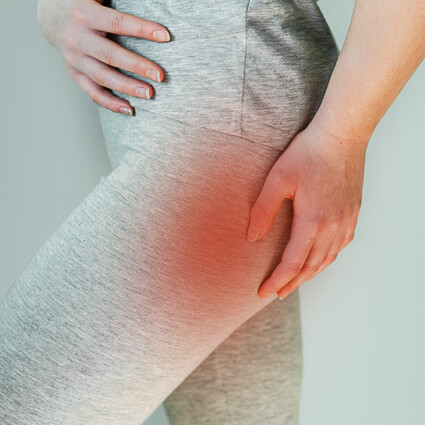 Hip pain doesn’t stay in one place. It pulls at your lower back, stiffens your stride, and makes it hard to sit, stand, or sleep comfortably for long. For a lot of patients, it builds so gradually that they don’t realize how much they’ve been compensating until everyday movement starts feeling like work.
A Joint That Carries More Than Its Share
The hip is the largest ball-and-socket joint in the body and plays a central role in nearly every movement you make. When it isn’t functioning properly, the surrounding muscles, ligaments, and joints pick up the slack. Over time, that compensation creates a chain reaction of tension and dysfunction that can extend into the lower back, pelvis, and knees. Addressing hip pain means looking at the whole system, not just the joint itself.
Why Hip Pain Develops
Hip pain can result from acute injury, but more often it develops through patterns of overuse, underuse, or misalignment that accumulate over time. Common contributing factors include:
- Joint misalignment in the hip, pelvis, or lower spine
- Muscle imbalances from prolonged sitting or sedentary habits
- Repetitive impact from running, sports, or physically demanding work
- Prior injury such as a strain, labral tear, or fracture
- Arthritis or age-related cartilage breakdown within the joint
The Many Faces of Hip Pain
When to Seek Care
If your hip pain has been present for more than a couple of weeks, is disrupting your sleep, or has visibly changed the way you move, don’t wait it out. Hip problems that go unaddressed tend to worsen and pull other areas of the body into dysfunction along the way.
Getting to the Root of It
At Reese Chiropractic, we assess the hip alongside the pelvis, lumbar spine, and lower extremities to understand the full picture of what’s driving your pain. Restoring proper alignment and joint motion takes the excess load off the hip and allows the surrounding tissues to recover.
Care may include hands-on or instrument adjustments to the hip and pelvis, IASTM to release soft tissue restrictions and scar tissue buildup, dry needling to address deep muscle tension that manual work alone can’t fully reach, and cold laser therapy to reduce inflammation and support healing in the joint and surrounding structures.
Moving Without Thinking About It
Most patients who address hip pain through chiropractic care experience meaningful improvements in mobility, reduced pain during daily activity, and a more natural stride within the first few weeks of care. The goal is getting you back to the activities you’ve been avoiding, whether that’s a morning walk, a round of golf, or simply moving through your day without bracing for the next step.
Let’s Find Out What’s Going On
Hip pain is worth addressing, not adjusting your life around. Contact Reese Chiropractic to schedule your evaluation and take the first step toward moving well again.
